


 2026-06-24
 267
267


You've probably been there: the venue is booked, the permits are signed, and you show up to find the actual usable space is 200 square meters short of what you promised your exhibitors. Or you're scouting an outdoor site — maybe a loading dock, a quarry car park, a riverside terrace — and you can see exactly how it could work, if the structure were right.
That's the problem exhibition tents solve. The aluminum kind, specifically, because it handles the load without the weight, doesn't rust in the rain, and can be reconfigured as your event needs change.
This guide goes through everything worth knowing before you sign a quote. The specs that separate gear that lasts from gear that breaks. The questions most buyers forget to ask until the first invoice lands. And what KENTEN brings to the table that generic catalogue tents don't.
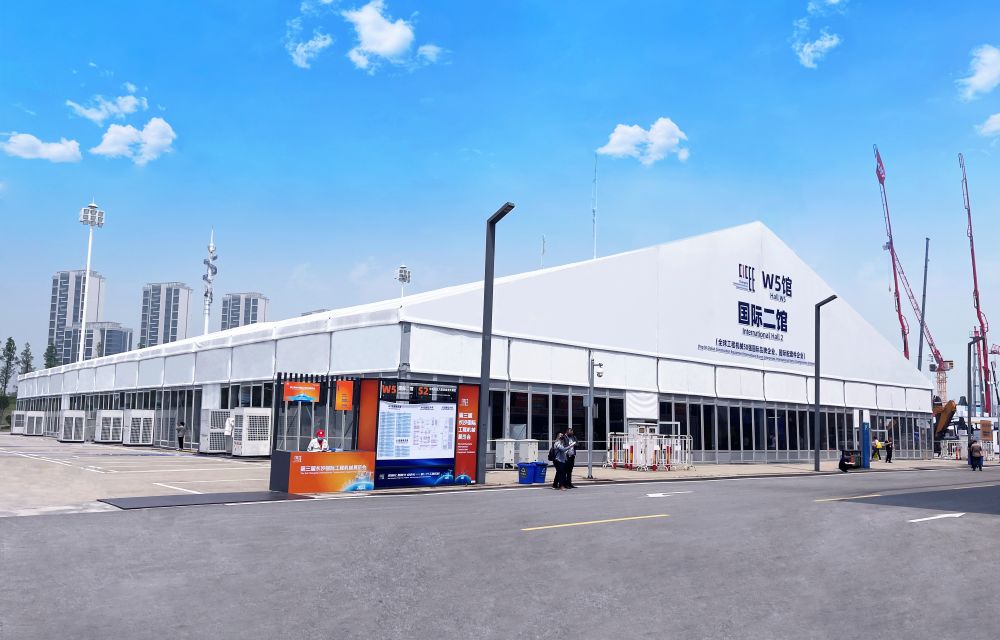
An aluminum exhibition tent is a portable or semi-permanent structure built around an aluminum alloy frame, covered with durable technical fabric (typically PVC-coated polyester). The aluminum frame handles the load-bearing work while the cover provides weather protection and defines the visual space.
The key difference from steel alternatives comes down to three material properties:
Most exhibition tents fall into one of three frame types:
The exhibition tent category spans a wide range of applications. The right spec for each is different, and buyers who know their use case upfront get better quotes faster.
Trade shows and exhibitions: Typically requires clearspan configuration for maximum floor plan flexibility. Sidewall height matters — 2.5m walls feel cramped, 3m+ walls let standard booth systems sit comfortably. Most buyers in this category prioritize aesthetics: the tent is the venue, so it needs to look professional.
Product launches and brand activations: Visual customization becomes critical here. Can the tent be printed? Do the sidewalls accept graphics? The frame profile matters — chunky visible extrusions read as "temporary" while slim-line profiles look more premium.
Outdoor receptions and corporate events: Wind resistance often becomes the limiting factor. A cocktail setup with draped tables and string lights looks great at installation — and becomes a liability in a 40mph gust if the tent wasn't engineered for it.
Industrial and emergency applications: Warehousing, disaster response, field hospitals — where the tent is doing a job, not making a statement. buyers here prioritize durability, reusability, and sourcing speed over aesthetics.
Agricultural and greenhouse applications: UV protection and ventilation become the defining specs. Standard PVC blocks more light than buyers expect — diffuse-light fabrics exist specifically for growing applications.
Most buyers fixate on dimensions and price. These eight specs will tell you more about what you're actually getting.
6061-T6 and 6082-T6 are the two alloys you'll see in structural extrusions. Both work. 6082 has gradually become the standard for premium manufacturers because it pushes a better strength-to-weight ratio and takes a cleaner surface finish. The difference won't make or break a light-duty tent, but for clearspan structures above 300 sqm it's worth asking what your manufacturer specifies — and why.
This is the spec most buyers skip until it's too late. Exhibition tents are engineering products, and engineering means math.
Request the structural calculation sheet from the manufacturer.
Fabric weight is measured in grams per square meter (gsm). Standard PVC exhibition fabric runs 650–850 gsm. Lighter weights save cost and weight but tear more easily and age faster.
UV resistance is a function of both the PVC formulation and any coating applied. Quality fabrics carry a UV resistance rating — look for 500+ hours to 50% degradation in ASTM D4355 testing.
If your tent will be deployed for more than 3–4 months continuously, UV degradation becomes a real maintenance concern. The fabric will chalk, weaken, and eventually fail — typically within 5–8 years in high-UV environments.
Most venues and municipalities require a minimum fire rating for temporary structures. Common standards:
Ask whether the fabric is treated with a fire retardant coating (which washes off over time) or is inherently fire retardant through its base formulation (which lasts the fabric's lifetime).
How the sidewalls attach to the frame determines both weather seal and installation speed. Three common systems:
Exhibition tents are notoriously humid inside. A 200 sqm enclosed tent with 200 people inside will feel stuffy within 30 minutes without active ventilation.
Look for:
The anchoring system is often the most neglected spec and the most common cause of tent failures in moderate wind conditions.
Common options:
Know your site before choosing a tent — or know which anchoring options your tent supports before committing to a site.
KENTEN structures are designed for buyers who need a reliable tool, not a one-time purchase. The aluminum exhibition tent line uses 6061-T6 / 6082-T6 alloy frames. Fabric options include standard 650 gsm PVC, 850 gsm heavy-duty PVC for long-term deployments, and diffuse-light fabrics for agricultural and horticultural applications.
KENTEN's project reference portfolio includes exhibition installations for automotive launches, industrial trade shows, emergency response deployments, and semi-permanent sports facilities across 12 countries.
How long does it take to set up an aluminum exhibition tent?
A 200 sqm clearspan tent with an experienced crew of 2–4 typically installs in 1–2 days. First-time assembly of the same tent with a smaller crew can take 3–4 days. Budget an extra day for anchoring and any leveling adjustments on uneven ground.
Can aluminum exhibition tents be used in winter?
Yes, with the right specifications. Wind and snow load ratings must match winter conditions at your site. PVC fabric becomes less flexible in temperatures below -20°C — if you're operating in severe cold, ask about cold-weather fabric compounds. Most quality manufacturers offer winter-grade configurations.
What's the lifespan of an aluminum exhibition tent?
The aluminum frame, properly maintained, will last 20+ years. PVC fabric, depending on UV exposure and cleaning regimen, typically requires replacement at 5–8 years. The frame outlasts multiple fabric generations, which makes the initial investment in quality frames more economical over time.
Are exhibition tents waterproof?
Quality PVC fabric with properly installed keder sidewalls is fully waterproof in rain conditions up to heavy downpour. The weak points are seam constructions — welded seams are more reliable than stitched seams — and any door or vent penetrations. Ask your manufacturer for the seam construction method and specify taped seam sealing if weather-tightness is a priority.
The aluminum exhibition tent market runs from budget imported containers to precision-engineered modular systems. The difference in real-world performance isn't visible in a catalog photo — it shows up in wind resistance, reusability, and the number of times your crew has to come back to fix something that shouldn't have broken.
if you're running events where the tent is the venue — not just a rain backup — the frame profile and fabric quality deserve the same scrutiny you'd give the venue itself.
For specifications, custom configurations, or a project consultation, visit kenten-tent.com.


